

 中文简体
 Español

How Can Smarter Product Planning Reduce Risks When Buying Straw Lifeguard Hats in Bulk?

Founded in 1983, we are one of China’s earliest professional straw hat factories. Decades of hands-on experience mean we understand materials, craftsmanship, and export requirements inside out.


Seasonal headwear often needs to be ordered well before the products reach retail shelves, resort shops, outdoor events, or promotional campaigns. For wholesale buyers, this creates a planning challenge: ordering too late may leave insufficient time for production and shipping, while ordering too much of an unsuitable style can tie up inventory after demand changes. A more structured purchasing process helps businesses balance design preferences, expected quantities, production requirements, and delivery schedules without sacrificing product consistency.
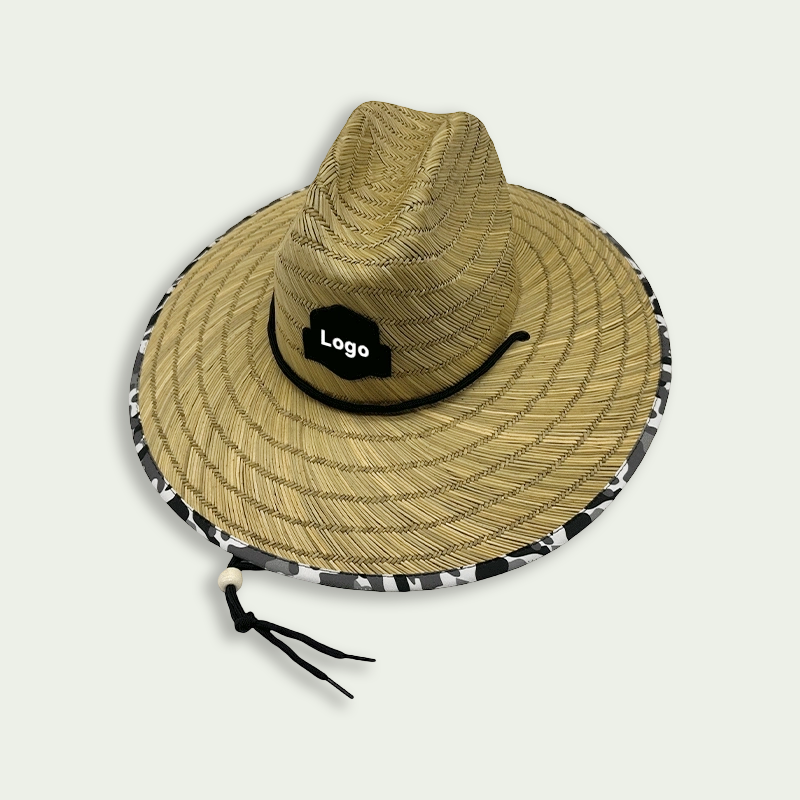
Start With the Intended Customer Group
Before selecting a design, buyers should define who will use the hats and where they will be worn. A resort supplying its outdoor staff may prioritize practical coverage and a consistent team appearance. A retailer may focus more on style variety, color options, and shelf presentation, while an event organizer may need a coordinated look for a specific occasion.
These differences affect the product specification. Brim dimensions, crown shape, material texture, decorative details, and sizing should all reflect the intended use. Manufacturers can provide more relevant recommendations when buyers explain the application instead of requesting a generic straw hat assortment.
A clear target-user profile also helps avoid developing styles that look appealing in samples but do not fit the needs of the actual market.
Build a Balanced Product Range
Offering too many variations can complicate purchasing, production, and inventory management. However, relying on a single design may not suit every customer preference. The goal is to establish a product range with meaningful differences rather than making small, unnecessary changes across multiple styles.
For Wholesale Straw Lifeguard Hats, buyers might organize their selection around:
- Classic shapes for customers who prefer a recognizable lifeguard-inspired appearance
- Different brim proportions for varied styling and coverage preferences
- Neutral colors that coordinate with uniforms or existing product collections
- Decorative bands or customized details for branded applications
- Different sizing options based on the intended users
The final assortment should reflect sales channels and customer requirements. A focused range is generally easier to communicate, inspect, replenish, and promote than a collection built around excessive variations.
Confirm Specifications Before Production
Small specification differences can become significant when an order includes hundreds or thousands of units. A change in brim width, crown height, material color, or band placement may affect the finished appearance and packaging arrangement.
Manufacturers should work from clearly documented specifications and an approved sample. Buyers can prepare a product brief covering dimensions, material requirements, color references, logo artwork, size tolerances, and acceptable appearance standards.
When a revision is necessary, the updated requirements should be confirmed before bulk production begins. This reduces misunderstandings between the sample approval stage and final delivery, particularly for customized orders.
Plan Seasonal Orders Around Lead Time
Seasonal demand can place pressure on purchasing schedules, especially when customization is involved. Buyers need to account for sample review, material preparation, production, quality inspection, packaging, and transportation rather than considering manufacturing time alone.
A practical order plan should include a target delivery date and a reasonable allowance for approval or shipping delays. Buyers should also confirm whether different styles can be produced within the same schedule and whether split shipments are feasible.
Manufacturers can support this process by communicating production requirements early and identifying decisions that could delay order confirmation. Earlier planning gives both sides more room to resolve specification questions before they affect the delivery schedule.
Balance Customization With Inventory Flexibility
Custom colors, decorative bands, and branded details can help a business create a distinctive product. However, highly specific designs may be harder to redirect if customer preferences change or a campaign is postponed.
Buyers should distinguish between the elements that define their brand and those that can remain more flexible. For example, a standard hat shape combined with a customized band may provide a different balance of identity and inventory flexibility than a fully customized construction.
The right approach depends on order volume, sales channels, and the likelihood of repeat demand. Manufacturers can evaluate customization options according to production feasibility and help buyers understand the implications before committing to a final design.
Protect Shape During Storage and Transportation
Straw-style hats can lose their intended appearance if they are crushed or stored improperly. Packaging therefore deserves attention during purchasing, especially when orders will travel long distances or pass through multiple distribution points.
Buyers should confirm how hats will be arranged in cartons, whether the crown and brim receive adequate protection, and what storage conditions are recommended after delivery. Packaging should balance shape protection with carton dimensions and handling requirements.
Clear labeling and consistent packing quantities can also simplify warehouse receiving, stock counting, and distribution to individual retail locations.
Make Repeat Ordering Easier
A well-managed initial order creates a useful reference for future purchases. Keeping approved samples, product specifications, color references, packaging details, and inspection records helps buyers communicate repeat requirements more accurately.
For businesses sourcing Wholesale Straw Lifeguard Hats, this documentation can reduce uncertainty when preparing the next seasonal order or expanding an existing product range. From a manufacturer's perspective, consistent records also support production planning and batch-to-batch quality control.
By coordinating product selection, specifications, lead time, customization, and packaging from the beginning, buyers can build a more predictable sourcing process and select products that better match their commercial objectives.
Your email address will not be published. Required fields are marked *

Are You Ready
to Launch Your Hat
Collection?
