

 中文简体
 Español

What Should Buyers Consider When Sourcing Straw Lifeguard Hats for Outdoor Use?

Founded in 1983, we are one of China’s earliest professional straw hat factories. Decades of hands-on experience mean we understand materials, craftsmanship, and export requirements inside out.


Outdoor events, beach activities, resort services, and summer promotions all create demand for practical headwear that combines sun protection with a recognizable seasonal style. For businesses purchasing hats in bulk, the challenge is to find products that suit the intended environment, remain comfortable during extended wear, and maintain a consistent appearance across an entire order. Understanding the relationship between material selection, construction, sizing, and customization can help buyers make more informed sourcing decisions.
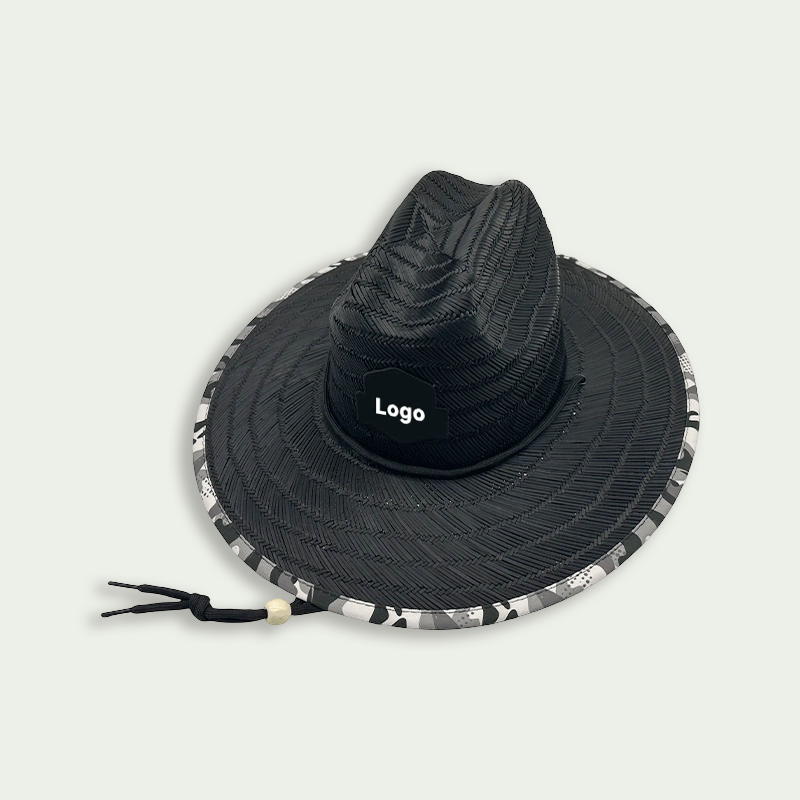
Match Hat Design to the Intended Environment
A hat suitable for a beach resort may have different requirements from one used for outdoor events, poolside services, or promotional campaigns. Buyers should first consider who will wear the hats and how they will be used throughout the day.
A wider brim can provide more coverage around the face and neck, while a structured crown helps maintain the intended silhouette. For lifeguard-related applications, visibility, fit, and compatibility with the wearer's other equipment may also matter. The hat should not interfere with essential duties or replace appropriate sun-protection practices.
Defining the application before choosing a style helps prevent unnecessary customization and makes product comparisons more relevant.
Evaluate Straw Materials and Weaving Quality
The material and weaving method influence a hat's appearance, flexibility, weight, and ability to retain its shape. Buyers comparing Wholesale Straw Lifeguard Hats should look beyond color and overall design to examine the consistency of the weave, the finish around the brim, and the connection between the crown and brim.
Natural straw and synthetic straw-style materials can offer different combinations of texture, appearance, and maintenance requirements. The appropriate choice depends on the target market, expected frequency of use, budget, and product positioning.
During sample evaluation, buyers can check for loose strands, uneven weaving, rough edges, and visible differences between individual hats. These details are particularly important when a business needs a coordinated appearance across multiple locations or teams.
Prioritize Comfort for Extended Outdoor Wear
Outdoor staff and event participants may wear hats for several hours at a time. A design that looks attractive on a product page may feel different during actual use, particularly in warm weather.
Several details deserve attention during product evaluation:
- Fit: Confirm that the available size suits the intended users and stays secure during normal movement.
- Weight: Consider whether the hat feels manageable during extended wear.
- Brim structure: Check that the brim provides the intended coverage without making the hat awkward to handle.
- Interior finish: Examine the contact area for rough edges or construction details that could cause discomfort.
- Adjustability: Where appropriate, consider an inner band or chin cord to help improve fit.
Comfort is not determined by one feature alone. A sample worn in realistic conditions can provide more useful feedback than appearance checks alone.
Consider Durability in Sun and Outdoor Conditions
Outdoor headwear may be exposed to sunlight, wind, perspiration, dust, and occasional splashes. These conditions can influence material appearance and shape retention over time, depending on the construction.
Manufacturers should assess whether the selected material and finishing method suit the intended application. Buyers can ask how the hat should be cleaned, dried, stored, and handled between uses. If the product will be used near pools or at coastal locations, its limitations around moisture exposure should be clarified rather than assuming that every straw-style hat is water-resistant.
Practical care instructions help businesses manage their inventory and set appropriate expectations for end users.
Plan Customization Around Brand Requirements
For resorts, hospitality businesses, retailers, and event organizers, a hat may also serve as part of a visual identity. Customization can include color selection, decorative bands, woven details, labels, or logo placement, depending on the product design and manufacturing capabilities.
Before confirming a custom order, buyers should provide clear artwork, placement preferences, color references, and expected quantities. It is also useful to review a production sample to assess whether the decoration fits the hat's shape and material.
Wholesale Straw Lifeguard Hats can be developed for different branding needs, but each additional design element should be evaluated for appearance, attachment quality, cost, and production feasibility.
Check Batch Consistency and Packaging
A bulk order should be evaluated as a production batch, not simply as a collection of individual samples. Differences in brim dimensions, crown shape, color, weaving density, or decorative placement can become more noticeable when hats are displayed or worn together.
Manufacturers can establish inspection points for dimensions, construction, finishing, and customized details. Buyers should also confirm carton quantities, protective packaging, product labeling, and shipping arrangements before production begins. Suitable packaging helps reduce the risk of crushing or deformation during handling and transportation.
Clear acceptance criteria make communication easier and provide a practical reference for repeat orders.
Build a Sourcing Specification Before Placing an Order
Successful procurement begins with a clear product brief. Buyers should identify the target application, material preference, size range, brim dimensions, color, customization requirements, packaging method, and expected order volume. These details help manufacturers evaluate feasibility and prepare samples that reflect the actual purchasing requirements.
For businesses planning seasonal promotions or supplying outdoor teams, choosing the right headwear involves more than selecting an appealing design. A balanced assessment of comfort, construction, branding, and batch consistency can support a more reliable purchasing decision and help the finished product meet the expectations of its intended users.
Your email address will not be published. Required fields are marked *

Are You Ready
to Launch Your Hat
Collection?
