

 中文简体
 Español

When Does Proper Hat Care Start With Better Product Design?

Founded in 1983, we are one of China’s earliest professional straw hat factories. Decades of hands-on experience mean we understand materials, craftsmanship, and export requirements inside out.


Outdoor headwear needs to remain comfortable and presentable through repeated handling, storage, and everyday use. For lifeguards and other outdoor staff, hats may be taken on and off several times during a shift, transported between locations, or stored when not in use. These routines can gradually affect the shape of the brim, the condition of the woven surface, and the appearance of decorative details. For bulk buyers, understanding how product design and basic care work together can help reduce premature replacement and make headwear easier to manage.
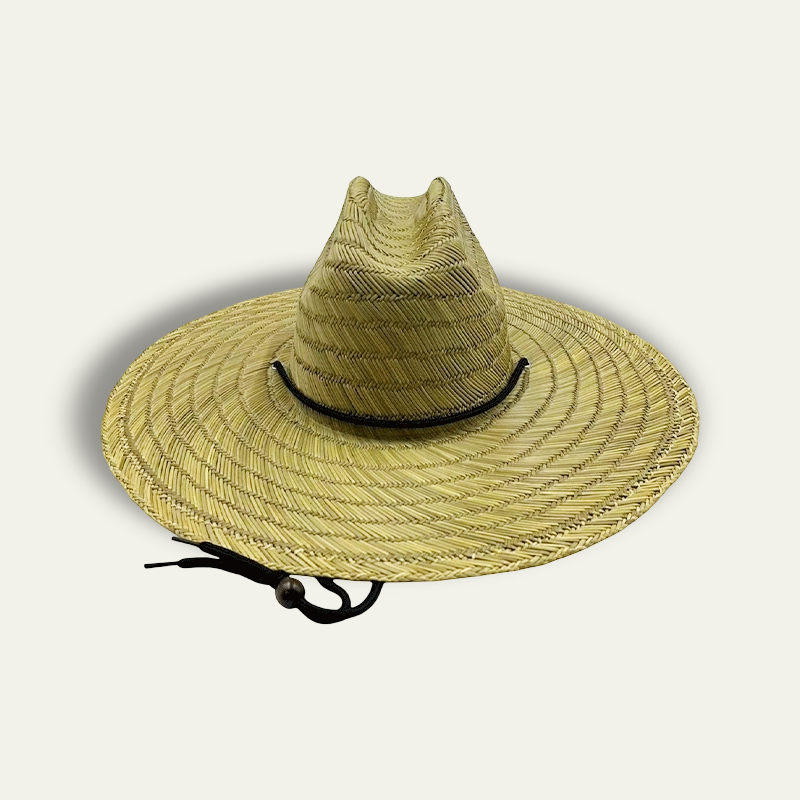
Understand How Straw Construction Affects Care
Straw-style hats can differ in weaving patterns, material composition, flexibility, and structural support. These differences influence how a hat responds to handling and storage, so care instructions should match the actual construction rather than rely on a universal method.
When evaluating Wholesale Straw Lifeguard Hats, buyers should ask about the material used, the recommended cleaning method, and any limitations on moisture exposure. Some constructions may tolerate routine handling well but still require careful treatment to preserve their shape.
Manufacturers should provide practical guidance that reflects the selected material and finished design. Clear instructions help distributors communicate appropriate care expectations to end users.
Protect the Brim From Deformation
The brim contributes to the hat's appearance and provides shade around the face. Bending, stacking, or placing heavy items on top of a hat can distort its shape, especially when products are stored for long periods.
For organizations purchasing hats in quantity, storage arrangements deserve attention. Shelving or cartons that support the brim can help reduce unnecessary pressure, while keeping hats away from heavy objects limits the risk of deformation.
Buyers should also consider how hats will be transported between facilities. Packaging that keeps the crown and brim properly supported can help products arrive ready for distribution without requiring extensive reshaping.
Handle Moisture With Care
Outdoor headwear may encounter sweat, humidity, splashes, or light rain depending on its working environment. However, resistance to moisture varies according to the material and construction.
After use, hats should be handled according to the manufacturer's care guidance. If the product becomes damp, appropriate drying and ventilation can help prevent prolonged moisture retention. Direct heat or aggressive cleaning methods should not be used unless specifically permitted for the material.
For procurement teams, asking about care limitations before ordering is useful when hats will be worn frequently around pools, beaches, or other humid locations.
Inspect Decorative and Structural Details
A hat's condition depends on more than its woven body. Hatbands, stitching, edge finishing, adjustment features, and chin straps can also influence everyday usability.
During routine checks, staff can look for loose attachments, damaged edges, changes in fit, or visible deformation. Early identification allows the organization to separate products that need attention from those that remain suitable for use.
From a manufacturing perspective, checking these details during production also helps maintain consistency across bulk orders. Clear assembly requirements provide a reference for inspecting finished products.
Choose a Practical Fit for Repeated Wear
An uncomfortable or unstable hat may be handled more frequently as the wearer attempts to reposition it. Crown dimensions, head opening, weight distribution, and adjustment options should therefore be considered alongside appearance.
For team purchases, buyers can test representative samples with intended users before confirming quantities. This helps identify sizing concerns and determine whether an adjustable band or chin strap is appropriate for the working environment.
A suitable fit does not replace workplace safety procedures, but it can make the hat more convenient to wear throughout a shift.
Include Care Information in Bulk Orders
Care guidance is particularly useful when hats are distributed across several teams or locations. Manufacturers can provide concise instructions covering storage, cleaning, moisture handling, and shape maintenance, based on the actual product design.
Buyers should also retain the approved product specification so that replacement orders can match the original construction and appearance as closely as practical.
Make Care Part of the Purchasing Decision
The condition of outdoor headwear depends on material selection, construction, handling, and storage. As a manufacturer, we consider these factors together when developing straw lifeguard hats for regular outdoor use. Overseas buyers who evaluate maintenance requirements before ordering can select products more appropriately, communicate care instructions clearly, and manage replacement planning with greater confidence.
Your email address will not be published. Required fields are marked *

Are You Ready
to Launch Your Hat
Collection?
