

 中文简体
 Español

How Can Better Order Planning Simplify Bulk Straw Lifeguard Hat Purchasing?

Founded in 1983, we are one of China’s earliest professional straw hat factories. Decades of hands-on experience mean we understand materials, craftsmanship, and export requirements inside out.


Seasonal demand, staff uniform requirements, and changing order quantities can make outdoor headwear purchasing more complicated than expected. Buyers supplying beaches, swimming facilities, resorts, and outdoor recreation businesses need hats that match their intended use while remaining consistent across an entire order. Differences in sizing, brim shape, color, or logo placement can create extra work during distribution. For manufacturers, understanding these requirements early helps turn a general product request into a clear production plan and makes bulk purchasing easier to manage.
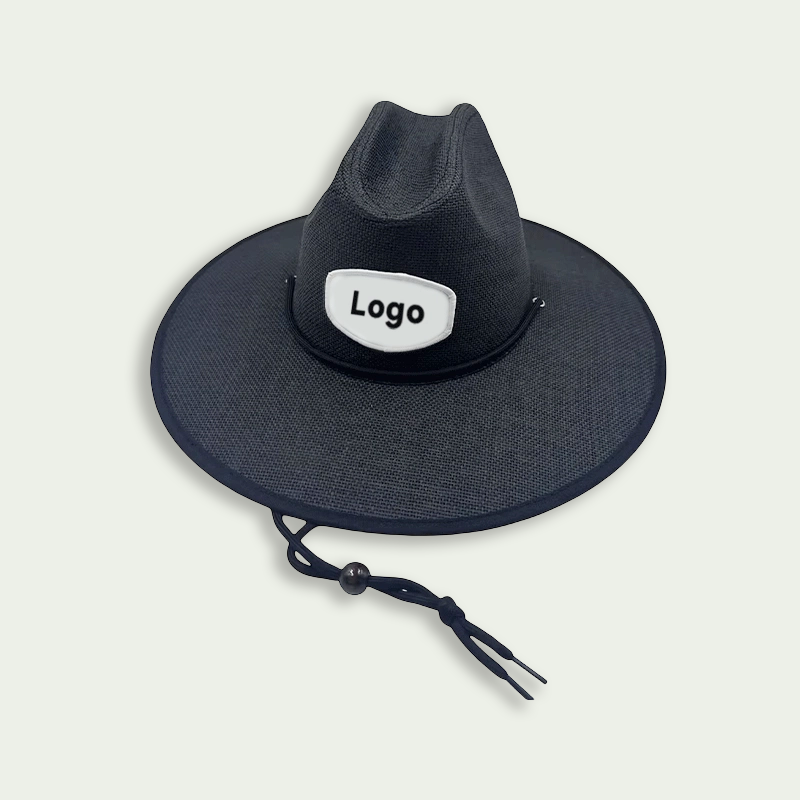
Define the Intended Use Before Confirming Specifications
Not every outdoor team needs the same hat configuration. Some buyers prioritize broad shade coverage, while others focus on a lightweight structure, a particular appearance, or compatibility with an existing uniform.
When sourcing Wholesale Straw Lifeguard Hats, purchasing teams should first identify the working environment, expected wear time, preferred style, and any requirements for adjustment features. These details provide a practical starting point for discussing materials and construction.
A clear application brief also helps manufacturers avoid unnecessary design changes after sampling. Instead of comparing products based on appearance alone, buyers can evaluate whether the proposed configuration suits the people who will wear it.
Standardize Dimensions Across the Order
Brim width, crown height, head opening, and overall hat shape affect both fit and appearance. If these dimensions vary noticeably across a batch, staff may find it difficult to achieve a uniform look or a consistent wearing experience.
Manufacturers should establish agreed dimensions and suitable tolerances before production. Buyers can support this process by confirming the reference sample and identifying which measurements are most important.
For orders covering several sizes, each size should have a clear specification. This makes production checks and final quantity verification more straightforward, especially when hats are packed for different teams or locations.
Plan Custom Branding Carefully
Custom branding can help organizations maintain a consistent visual identity, but the details need to be confirmed before manufacturing begins. Logo size, placement, color, hatband design, and attachment method may all influence the finished appearance.
A useful customization brief should include:
- Approved artwork and color references
- Logo dimensions and placement
- Preferred hatband style
- Any restrictions on material or attachment methods
- Sample approval requirements
Manufacturers can use these details to prepare a sample for review before committing to the full quantity. This step helps reduce avoidable revisions and clarifies expectations for repeat orders.
Choose Packaging for Storage and Delivery
Straw-style hats can lose their intended shape if they are compressed or handled improperly. Packaging should therefore provide suitable support for the crown and brim while allowing efficient storage and transportation.
Buyers should discuss carton dimensions, the number of hats per carton, protective materials, and labeling requirements with the manufacturer. The appropriate arrangement depends on the hat's structure and the expected handling conditions.
For distributors managing several product styles, clear carton identification can also simplify warehouse organization and reduce the chance of mixing different models or customized orders.
Establish Practical Quality Checks
Bulk inspection should focus on the characteristics that matter to the buyer rather than relying on a general visual review. A suitable checklist may cover:
- Crown and brim shape
- Weaving consistency and visible defects
- Edge finishing and structural assembly
- Size measurements and fit-related details
- Branding accuracy and packaging condition
The inspection criteria should correspond to the approved sample and written specifications. This gives both the buyer and manufacturer a clear reference when reviewing finished products.
Prepare for Repeat Orders
Organizations may need additional hats when seasonal teams expand, existing stock is replaced, or new locations are added. Retaining the approved specifications, artwork, size breakdown, and packaging details makes future orders easier to reproduce.
Manufacturers should also communicate any proposed material or construction changes before implementing them. This helps buyers understand whether a change could affect the product's appearance or fit.
Make Bulk Purchasing More Predictable
Successful headwear sourcing depends on clear specifications, coordinated customization, suitable packaging, and repeatable inspection. As a manufacturer, we consider these requirements throughout product planning and production rather than leaving them until the shipment stage. Overseas buyers who confirm key details early can reduce misunderstandings, organize inventory more effectively, and build a consistent supply plan for their outdoor teams.
Your email address will not be published. Required fields are marked *

Are You Ready
to Launch Your Hat
Collection?
