

 中文简体
 Español

What Makes a Good Straw Lifeguard Hat Suitable for Long Outdoor Shifts?

Founded in 1983, we are one of China’s earliest professional straw hat factories. Decades of hands-on experience mean we understand materials, craftsmanship, and export requirements inside out.


Outdoor workers often spend hours in direct sunlight, making practical headwear an important part of their daily equipment. For lifeguards at beaches, pools, and outdoor recreation facilities, a hat needs to provide useful shade without becoming uncomfortable during extended wear. Appearance also matters when staff uniforms contribute to a consistent, recognizable team image. For purchasing managers and distributors, the challenge is to find headwear that balances brim coverage, structural stability, comfort, and reliable supply rather than choosing a product based on appearance alone.
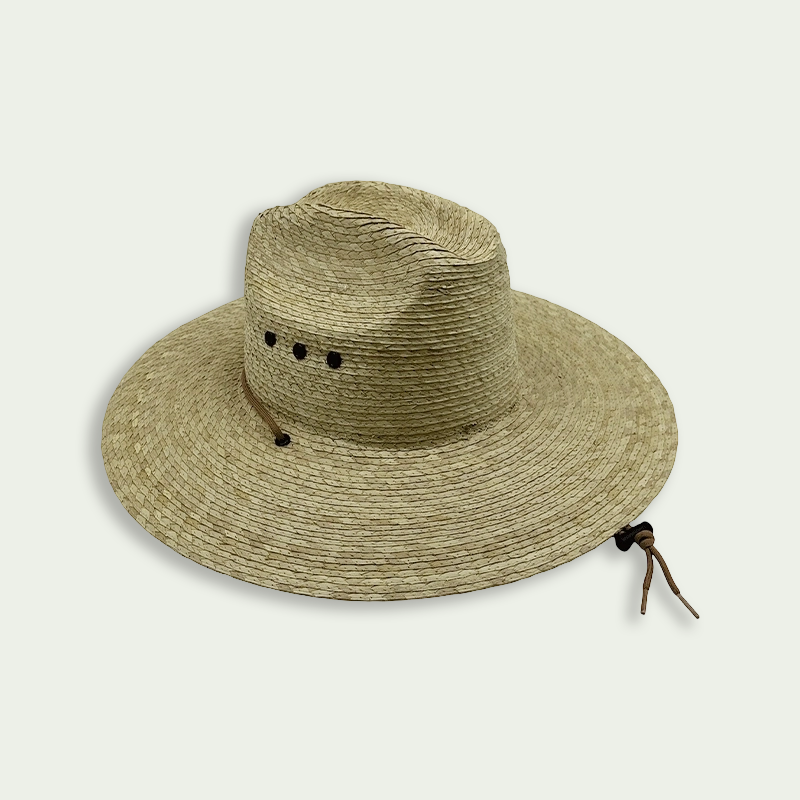
Start With Brim Coverage and Shape
The brim is one of the first details buyers should evaluate. A wider brim can provide shade around the face and ears, while its shape influences visibility and how easily the wearer moves through a working environment.
When selecting Wholesale Straw Lifeguard Hats, buyers should consider the conditions in which the hats will be worn. Beach patrols, poolside supervision, and outdoor event duties may have different requirements for coverage and movement. The brim should offer practical shade without obstructing the wearer's view of swimmers, visitors, or surrounding activity.
Manufacturers should assess brim proportions alongside crown dimensions and overall hat balance. A well-planned shape helps the product remain practical for its intended role.
Choose Materials for Outdoor Conditions
Straw-style hats are valued for their lightweight appearance and relaxed outdoor character, but material construction varies across products. Buyers should review the weaving structure, edge finishing, crown shape, and overall consistency instead of assuming that every straw hat offers the same performance.
Outdoor headwear may be exposed to sunlight, moisture, handling, and frequent storage. The selected material and construction should suit the expected conditions, and care instructions should explain how the hat should be cleaned and stored.
As a manufacturer, we consider material selection and construction together because the finished product needs to maintain an appropriate balance between appearance, handling, and intended use.
Improve Comfort for Extended Wear
A hat that looks suitable in a product photograph may feel different after several hours of use. Weight, crown depth, inner contact surfaces, and fit can all influence comfort during outdoor work.
Buyers should review the available size options and consider whether an adjustable inner band or chin strap is appropriate for the application. These details can help the wearer achieve a more secure fit, particularly in breezy environments.
Before placing a large order, evaluating a sample on different users can reveal fit issues that may not be obvious from product dimensions alone. This is especially useful when uniforms and headwear are purchased for an entire team.
Consider Wind and Movement
Outdoor work often involves walking, bending, and turning to observe different areas. A hat that shifts easily can become distracting, particularly near open water or on exposed beaches.
Depending on the product design, an adjustable chin strap or another retention feature may help keep the hat in position. Buyers should confirm how the strap is attached, whether it can be adjusted comfortably, and whether the attachment points are finished securely.
No hat should be treated as a substitute for appropriate protective equipment or workplace safety procedures. Its suitability should be evaluated according to the actual working environment and the manufacturer's stated product characteristics.
Make Team Branding Part of the Design
Many facilities prefer staff headwear that matches their uniforms or helps identify different teams. Straw lifeguard hats can be customized through selected colors, hatbands, logos, or other design details, depending on the construction and available production methods.
For wholesale buyers, customization should be discussed before production begins. Important details include logo dimensions, placement, color references, artwork format, and whether branding must remain consistent across several batches.
A pre-production sample helps confirm that the design is visually balanced and that the branding method suits the selected material.
Check Quality Before Confirming Bulk Orders
Small differences in weaving, brim shape, stitching, or accessory placement can become noticeable when many hats are displayed or worn together. Manufacturers should establish clear inspection criteria for the agreed product specification.
Bulk buyers can review:
- Brim dimensions and overall shape
- Weaving consistency and visible surface defects
- Crown construction and edge finishing
- Fit, adjustment features, and strap attachment
- Logo placement, color consistency, and packaging
These checks provide a practical basis for comparing delivered goods with the approved sample and help clarify expectations before shipment.
Build a Dependable Supply Plan
For distributors and organizations purchasing headwear for seasonal operations, order planning is as important as product design. Confirming sizes, quantities, customization details, packaging, and delivery schedules early helps reduce last-minute changes. As a manufacturer, we approach straw lifeguard hat production by considering intended use, material construction, fit, branding, and batch consistency together. This allows overseas buyers to develop a more suitable headwear specification for outdoor teams and manage repeat orders with clearer expectations.
Your email address will not be published. Required fields are marked *

Are You Ready
to Launch Your Hat
Collection?
