

 中文简体
 Español



News &
Industry Insights
-
When Does Proper Hat Care Start With Better Product Design?
Oct 30,2026
Outdoor headwear needs to remain comfortable and presentable through repeated handling, storage, and everyday use. For lifeguards and other outdoor staff, hats may be taken on and off several times during a shift, transported between locations, or stored when not in use. These routines can gradually affect the shape of the brim, the condition of the woven surface, and the appearance of decorative details. For bulk buyers, understanding how product design and basic care work together can help reduce premature replacement and make headwear easier to manage. Understand How Straw Construction Affects Care Straw-style hats can differ in weaving patterns, material composition, flexibility, and structural support. These differences influence how a hat responds to handling and storage, so care instructions should match the actual construction rather than rely on a universal method. When evaluating Wholesale Straw Lifeguard Hats, buyers should ask about the material used, the recommended cleaning method, and any limitations on moisture exposure. Some constructions may tolerate routine handling well but still require careful treatment to preserve their shape. Manufacturers should provide practical guidance that reflects the selected material and finished design. Clear instructions help distributors communicate appropriate care expectations to end users. Protect the Brim From Deformation The brim contributes to the hat's appearance and provides shade around the face. Bending, stacking, or placing heavy items on top of a hat can distort its shape, especially when products are stored for long periods. For organizations purchasing hats in quantity, storage arrangements deserve attention. Shelving or cartons that support the brim can help reduce unnecessary pressure, while keeping hats away from heavy objects limits the risk of deformation. Buyers should also consider how hats will be transported between facilities. Packaging that keeps the crown and brim properly supported can help products arrive ready for distribution without requiring extensive reshaping. Handle Moisture With Care Outdoor headwear may encounter sweat, humidity, splashes, or light rain depending on its working environment. However, resistance to moisture varies according to the material and construction. After use, hats should be handled according to the manufacturer's care guidance. If the product becomes damp, appropriate drying and ventilation can help prevent prolonged moisture retention. Direct heat or aggressive cleaning methods should not be used unless specifically permitted for the material. For procurement teams, asking about care limitations before ordering is useful when hats will be worn frequently around pools, beaches, or other humid locations. Inspect Decorative and Structural Details A hat's condition depends on more than its woven body. Hatbands, stitching, edge finishing, adjustment features, and chin straps can also influence everyday usability. During routine checks, staff can look for loose attachments, damaged edges, changes in fit, or visible deformation. Early identification allows the organization to separate products that need attention from those that remain suitable for use. From a manufacturing perspective, checking these details during production also helps maintain consistency across bulk orders. Clear assembly requirements provide a reference for inspecting finished products. Choose a Practical Fit for Repeated Wear An uncomfortable or unstable hat may be handled more frequently as the wearer attempts to reposition it. Crown dimensions, head opening, weight distribution, and adjustment options should therefore be considered alongside appearance. For team purchases, buyers can test representative samples with intended users before confirming quantities. This helps identify sizing concerns and determine whether an adjustable band or chin strap is appropriate for the working environment. A suitable fit does not replace workplace safety procedures, but it can make the hat more convenient to wear throughout a shift. Include Care Information in Bulk Orders Care guidance is particularly useful when hats are distributed across several teams or locations. Manufacturers can provide concise instructions covering storage, cleaning, moisture handling, and shape maintenance, based on the actual product design. Buyers should also retain the approved product specification so that replacement orders can match the original construction and appearance as closely as practical. Make Care Part of the Purchasing Decision The condition of outdoor headwear depends on material selection, construction, handling, and storage. As a manufacturer, we consider these factors together when developing straw lifeguard hats for regular outdoor use. Overseas buyers who evaluate maintenance requirements before ordering can select products more appropriately, communicate care instructions clearly, and manage replacement planning with greater confidence.DISCOVER MORE -
How Can Better Order Planning Simplify Bulk Straw Lifeguard Hat Purchasing?
Oct 23,2026
Seasonal demand, staff uniform requirements, and changing order quantities can make outdoor headwear purchasing more complicated than expected. Buyers supplying beaches, swimming facilities, resorts, and outdoor recreation businesses need hats that match their intended use while remaining consistent across an entire order. Differences in sizing, brim shape, color, or logo placement can create extra work during distribution. For manufacturers, understanding these requirements early helps turn a general product request into a clear production plan and makes bulk purchasing easier to manage. Define the Intended Use Before Confirming Specifications Not every outdoor team needs the same hat configuration. Some buyers prioritize broad shade coverage, while others focus on a lightweight structure, a particular appearance, or compatibility with an existing uniform. When sourcing Wholesale Straw Lifeguard Hats, purchasing teams should first identify the working environment, expected wear time, preferred style, and any requirements for adjustment features. These details provide a practical starting point for discussing materials and construction. A clear application brief also helps manufacturers avoid unnecessary design changes after sampling. Instead of comparing products based on appearance alone, buyers can evaluate whether the proposed configuration suits the people who will wear it. Standardize Dimensions Across the Order Brim width, crown height, head opening, and overall hat shape affect both fit and appearance. If these dimensions vary noticeably across a batch, staff may find it difficult to achieve a uniform look or a consistent wearing experience. Manufacturers should establish agreed dimensions and suitable tolerances before production. Buyers can support this process by confirming the reference sample and identifying which measurements are most important. For orders covering several sizes, each size should have a clear specification. This makes production checks and final quantity verification more straightforward, especially when hats are packed for different teams or locations. Plan Custom Branding Carefully Custom branding can help organizations maintain a consistent visual identity, but the details need to be confirmed before manufacturing begins. Logo size, placement, color, hatband design, and attachment method may all influence the finished appearance. A useful customization brief should include: Approved artwork and color references Logo dimensions and placement Preferred hatband style Any restrictions on material or attachment methods Sample approval requirements Manufacturers can use these details to prepare a sample for review before committing to the full quantity. This step helps reduce avoidable revisions and clarifies expectations for repeat orders. Choose Packaging for Storage and Delivery Straw-style hats can lose their intended shape if they are compressed or handled improperly. Packaging should therefore provide suitable support for the crown and brim while allowing efficient storage and transportation. Buyers should discuss carton dimensions, the number of hats per carton, protective materials, and labeling requirements with the manufacturer. The appropriate arrangement depends on the hat's structure and the expected handling conditions. For distributors managing several product styles, clear carton identification can also simplify warehouse organization and reduce the chance of mixing different models or customized orders. Establish Practical Quality Checks Bulk inspection should focus on the characteristics that matter to the buyer rather than relying on a general visual review. A suitable checklist may cover: Crown and brim shape Weaving consistency and visible defects Edge finishing and structural assembly Size measurements and fit-related details Branding accuracy and packaging condition The inspection criteria should correspond to the approved sample and written specifications. This gives both the buyer and manufacturer a clear reference when reviewing finished products. Prepare for Repeat Orders Organizations may need additional hats when seasonal teams expand, existing stock is replaced, or new locations are added. Retaining the approved specifications, artwork, size breakdown, and packaging details makes future orders easier to reproduce. Manufacturers should also communicate any proposed material or construction changes before implementing them. This helps buyers understand whether a change could affect the product's appearance or fit. Make Bulk Purchasing More Predictable Successful headwear sourcing depends on clear specifications, coordinated customization, suitable packaging, and repeatable inspection. As a manufacturer, we consider these requirements throughout product planning and production rather than leaving them until the shipment stage. Overseas buyers who confirm key details early can reduce misunderstandings, organize inventory more effectively, and build a consistent supply plan for their outdoor teams.DISCOVER MORE -
What Makes a Good Straw Lifeguard Hat Suitable for Long Outdoor Shifts?
Oct 16,2026
Outdoor workers often spend hours in direct sunlight, making practical headwear an important part of their daily equipment. For lifeguards at beaches, pools, and outdoor recreation facilities, a hat needs to provide useful shade without becoming uncomfortable during extended wear. Appearance also matters when staff uniforms contribute to a consistent, recognizable team image. For purchasing managers and distributors, the challenge is to find headwear that balances brim coverage, structural stability, comfort, and reliable supply rather than choosing a product based on appearance alone. Start With Brim Coverage and Shape The brim is one of the first details buyers should evaluate. A wider brim can provide shade around the face and ears, while its shape influences visibility and how easily the wearer moves through a working environment. When selecting Wholesale Straw Lifeguard Hats, buyers should consider the conditions in which the hats will be worn. Beach patrols, poolside supervision, and outdoor event duties may have different requirements for coverage and movement. The brim should offer practical shade without obstructing the wearer's view of swimmers, visitors, or surrounding activity. Manufacturers should assess brim proportions alongside crown dimensions and overall hat balance. A well-planned shape helps the product remain practical for its intended role. Choose Materials for Outdoor Conditions Straw-style hats are valued for their lightweight appearance and relaxed outdoor character, but material construction varies across products. Buyers should review the weaving structure, edge finishing, crown shape, and overall consistency instead of assuming that every straw hat offers the same performance. Outdoor headwear may be exposed to sunlight, moisture, handling, and frequent storage. The selected material and construction should suit the expected conditions, and care instructions should explain how the hat should be cleaned and stored. As a manufacturer, we consider material selection and construction together because the finished product needs to maintain an appropriate balance between appearance, handling, and intended use. Improve Comfort for Extended Wear A hat that looks suitable in a product photograph may feel different after several hours of use. Weight, crown depth, inner contact surfaces, and fit can all influence comfort during outdoor work. Buyers should review the available size options and consider whether an adjustable inner band or chin strap is appropriate for the application. These details can help the wearer achieve a more secure fit, particularly in breezy environments. Before placing a large order, evaluating a sample on different users can reveal fit issues that may not be obvious from product dimensions alone. This is especially useful when uniforms and headwear are purchased for an entire team. Consider Wind and Movement Outdoor work often involves walking, bending, and turning to observe different areas. A hat that shifts easily can become distracting, particularly near open water or on exposed beaches. Depending on the product design, an adjustable chin strap or another retention feature may help keep the hat in position. Buyers should confirm how the strap is attached, whether it can be adjusted comfortably, and whether the attachment points are finished securely. No hat should be treated as a substitute for appropriate protective equipment or workplace safety procedures. Its suitability should be evaluated according to the actual working environment and the manufacturer's stated product characteristics. Make Team Branding Part of the Design Many facilities prefer staff headwear that matches their uniforms or helps identify different teams. Straw lifeguard hats can be customized through selected colors, hatbands, logos, or other design details, depending on the construction and available production methods. For wholesale buyers, customization should be discussed before production begins. Important details include logo dimensions, placement, color references, artwork format, and whether branding must remain consistent across several batches. A pre-production sample helps confirm that the design is visually balanced and that the branding method suits the selected material. Check Quality Before Confirming Bulk Orders Small differences in weaving, brim shape, stitching, or accessory placement can become noticeable when many hats are displayed or worn together. Manufacturers should establish clear inspection criteria for the agreed product specification. Bulk buyers can review: Brim dimensions and overall shape Weaving consistency and visible surface defects Crown construction and edge finishing Fit, adjustment features, and strap attachment Logo placement, color consistency, and packaging These checks provide a practical basis for comparing delivered goods with the approved sample and help clarify expectations before shipment. Build a Dependable Supply Plan For distributors and organizations purchasing headwear for seasonal operations, order planning is as important as product design. Confirming sizes, quantities, customization details, packaging, and delivery schedules early helps reduce last-minute changes. As a manufacturer, we approach straw lifeguard hat production by considering intended use, material construction, fit, branding, and batch consistency together. This allows overseas buyers to develop a more suitable headwear specification for outdoor teams and manage repeat orders with clearer expectations.DISCOVER MORE -
What Should Buyers Consider When Sourcing Straw Lifeguard Hats for Outdoor Use?
Oct 09,2026
Outdoor events, beach activities, resort services, and summer promotions all create demand for practical headwear that combines sun protection with a recognizable seasonal style. For businesses purchasing hats in bulk, the challenge is to find products that suit the intended environment, remain comfortable during extended wear, and maintain a consistent appearance across an entire order. Understanding the relationship between material selection, construction, sizing, and customization can help buyers make more informed sourcing decisions. Match Hat Design to the Intended Environment A hat suitable for a beach resort may have different requirements from one used for outdoor events, poolside services, or promotional campaigns. Buyers should first consider who will wear the hats and how they will be used throughout the day. A wider brim can provide more coverage around the face and neck, while a structured crown helps maintain the intended silhouette. For lifeguard-related applications, visibility, fit, and compatibility with the wearer's other equipment may also matter. The hat should not interfere with essential duties or replace appropriate sun-protection practices. Defining the application before choosing a style helps prevent unnecessary customization and makes product comparisons more relevant. Evaluate Straw Materials and Weaving Quality The material and weaving method influence a hat's appearance, flexibility, weight, and ability to retain its shape. Buyers comparing Wholesale Straw Lifeguard Hats should look beyond color and overall design to examine the consistency of the weave, the finish around the brim, and the connection between the crown and brim. Natural straw and synthetic straw-style materials can offer different combinations of texture, appearance, and maintenance requirements. The appropriate choice depends on the target market, expected frequency of use, budget, and product positioning. During sample evaluation, buyers can check for loose strands, uneven weaving, rough edges, and visible differences between individual hats. These details are particularly important when a business needs a coordinated appearance across multiple locations or teams. Prioritize Comfort for Extended Outdoor Wear Outdoor staff and event participants may wear hats for several hours at a time. A design that looks attractive on a product page may feel different during actual use, particularly in warm weather. Several details deserve attention during product evaluation: Fit: Confirm that the available size suits the intended users and stays secure during normal movement. Weight: Consider whether the hat feels manageable during extended wear. Brim structure: Check that the brim provides the intended coverage without making the hat awkward to handle. Interior finish: Examine the contact area for rough edges or construction details that could cause discomfort. Adjustability: Where appropriate, consider an inner band or chin cord to help improve fit. Comfort is not determined by one feature alone. A sample worn in realistic conditions can provide more useful feedback than appearance checks alone. Consider Durability in Sun and Outdoor Conditions Outdoor headwear may be exposed to sunlight, wind, perspiration, dust, and occasional splashes. These conditions can influence material appearance and shape retention over time, depending on the construction. Manufacturers should assess whether the selected material and finishing method suit the intended application. Buyers can ask how the hat should be cleaned, dried, stored, and handled between uses. If the product will be used near pools or at coastal locations, its limitations around moisture exposure should be clarified rather than assuming that every straw-style hat is water-resistant. Practical care instructions help businesses manage their inventory and set appropriate expectations for end users. Plan Customization Around Brand Requirements For resorts, hospitality businesses, retailers, and event organizers, a hat may also serve as part of a visual identity. Customization can include color selection, decorative bands, woven details, labels, or logo placement, depending on the product design and manufacturing capabilities. Before confirming a custom order, buyers should provide clear artwork, placement preferences, color references, and expected quantities. It is also useful to review a production sample to assess whether the decoration fits the hat's shape and material. Wholesale Straw Lifeguard Hats can be developed for different branding needs, but each additional design element should be evaluated for appearance, attachment quality, cost, and production feasibility. Check Batch Consistency and Packaging A bulk order should be evaluated as a production batch, not simply as a collection of individual samples. Differences in brim dimensions, crown shape, color, weaving density, or decorative placement can become more noticeable when hats are displayed or worn together. Manufacturers can establish inspection points for dimensions, construction, finishing, and customized details. Buyers should also confirm carton quantities, protective packaging, product labeling, and shipping arrangements before production begins. Suitable packaging helps reduce the risk of crushing or deformation during handling and transportation. Clear acceptance criteria make communication easier and provide a practical reference for repeat orders. Build a Sourcing Specification Before Placing an Order Successful procurement begins with a clear product brief. Buyers should identify the target application, material preference, size range, brim dimensions, color, customization requirements, packaging method, and expected order volume. These details help manufacturers evaluate feasibility and prepare samples that reflect the actual purchasing requirements. For businesses planning seasonal promotions or supplying outdoor teams, choosing the right headwear involves more than selecting an appealing design. A balanced assessment of comfort, construction, branding, and batch consistency can support a more reliable purchasing decision and help the finished product meet the expectations of its intended users.DISCOVER MORE -
How Can Smarter Product Planning Reduce Risks When Buying Straw Lifeguard Hats in Bulk?
Oct 02,2026
Seasonal headwear often needs to be ordered well before the products reach retail shelves, resort shops, outdoor events, or promotional campaigns. For wholesale buyers, this creates a planning challenge: ordering too late may leave insufficient time for production and shipping, while ordering too much of an unsuitable style can tie up inventory after demand changes. A more structured purchasing process helps businesses balance design preferences, expected quantities, production requirements, and delivery schedules without sacrificing product consistency. Start With the Intended Customer Group Before selecting a design, buyers should define who will use the hats and where they will be worn. A resort supplying its outdoor staff may prioritize practical coverage and a consistent team appearance. A retailer may focus more on style variety, color options, and shelf presentation, while an event organizer may need a coordinated look for a specific occasion. These differences affect the product specification. Brim dimensions, crown shape, material texture, decorative details, and sizing should all reflect the intended use. Manufacturers can provide more relevant recommendations when buyers explain the application instead of requesting a generic straw hat assortment. A clear target-user profile also helps avoid developing styles that look appealing in samples but do not fit the needs of the actual market. Build a Balanced Product Range Offering too many variations can complicate purchasing, production, and inventory management. However, relying on a single design may not suit every customer preference. The goal is to establish a product range with meaningful differences rather than making small, unnecessary changes across multiple styles. For Wholesale Straw Lifeguard Hats, buyers might organize their selection around: Classic shapes for customers who prefer a recognizable lifeguard-inspired appearance Different brim proportions for varied styling and coverage preferences Neutral colors that coordinate with uniforms or existing product collections Decorative bands or customized details for branded applications Different sizing options based on the intended users The final assortment should reflect sales channels and customer requirements. A focused range is generally easier to communicate, inspect, replenish, and promote than a collection built around excessive variations. Confirm Specifications Before Production Small specification differences can become significant when an order includes hundreds or thousands of units. A change in brim width, crown height, material color, or band placement may affect the finished appearance and packaging arrangement. Manufacturers should work from clearly documented specifications and an approved sample. Buyers can prepare a product brief covering dimensions, material requirements, color references, logo artwork, size tolerances, and acceptable appearance standards. When a revision is necessary, the updated requirements should be confirmed before bulk production begins. This reduces misunderstandings between the sample approval stage and final delivery, particularly for customized orders. Plan Seasonal Orders Around Lead Time Seasonal demand can place pressure on purchasing schedules, especially when customization is involved. Buyers need to account for sample review, material preparation, production, quality inspection, packaging, and transportation rather than considering manufacturing time alone. A practical order plan should include a target delivery date and a reasonable allowance for approval or shipping delays. Buyers should also confirm whether different styles can be produced within the same schedule and whether split shipments are feasible. Manufacturers can support this process by communicating production requirements early and identifying decisions that could delay order confirmation. Earlier planning gives both sides more room to resolve specification questions before they affect the delivery schedule. Balance Customization With Inventory Flexibility Custom colors, decorative bands, and branded details can help a business create a distinctive product. However, highly specific designs may be harder to redirect if customer preferences change or a campaign is postponed. Buyers should distinguish between the elements that define their brand and those that can remain more flexible. For example, a standard hat shape combined with a customized band may provide a different balance of identity and inventory flexibility than a fully customized construction. The right approach depends on order volume, sales channels, and the likelihood of repeat demand. Manufacturers can evaluate customization options according to production feasibility and help buyers understand the implications before committing to a final design. Protect Shape During Storage and Transportation Straw-style hats can lose their intended appearance if they are crushed or stored improperly. Packaging therefore deserves attention during purchasing, especially when orders will travel long distances or pass through multiple distribution points. Buyers should confirm how hats will be arranged in cartons, whether the crown and brim receive adequate protection, and what storage conditions are recommended after delivery. Packaging should balance shape protection with carton dimensions and handling requirements. Clear labeling and consistent packing quantities can also simplify warehouse receiving, stock counting, and distribution to individual retail locations. Make Repeat Ordering Easier A well-managed initial order creates a useful reference for future purchases. Keeping approved samples, product specifications, color references, packaging details, and inspection records helps buyers communicate repeat requirements more accurately. For businesses sourcing Wholesale Straw Lifeguard Hats, this documentation can reduce uncertainty when preparing the next seasonal order or expanding an existing product range. From a manufacturer's perspective, consistent records also support production planning and batch-to-batch quality control. By coordinating product selection, specifications, lead time, customization, and packaging from the beginning, buyers can build a more predictable sourcing process and select products that better match their commercial objectives.DISCOVER MORE -
Rising Demand for Sustainable Hat Materials: Straw and Natural Fibers Make a Strong Comeback.
Jun 16,2026
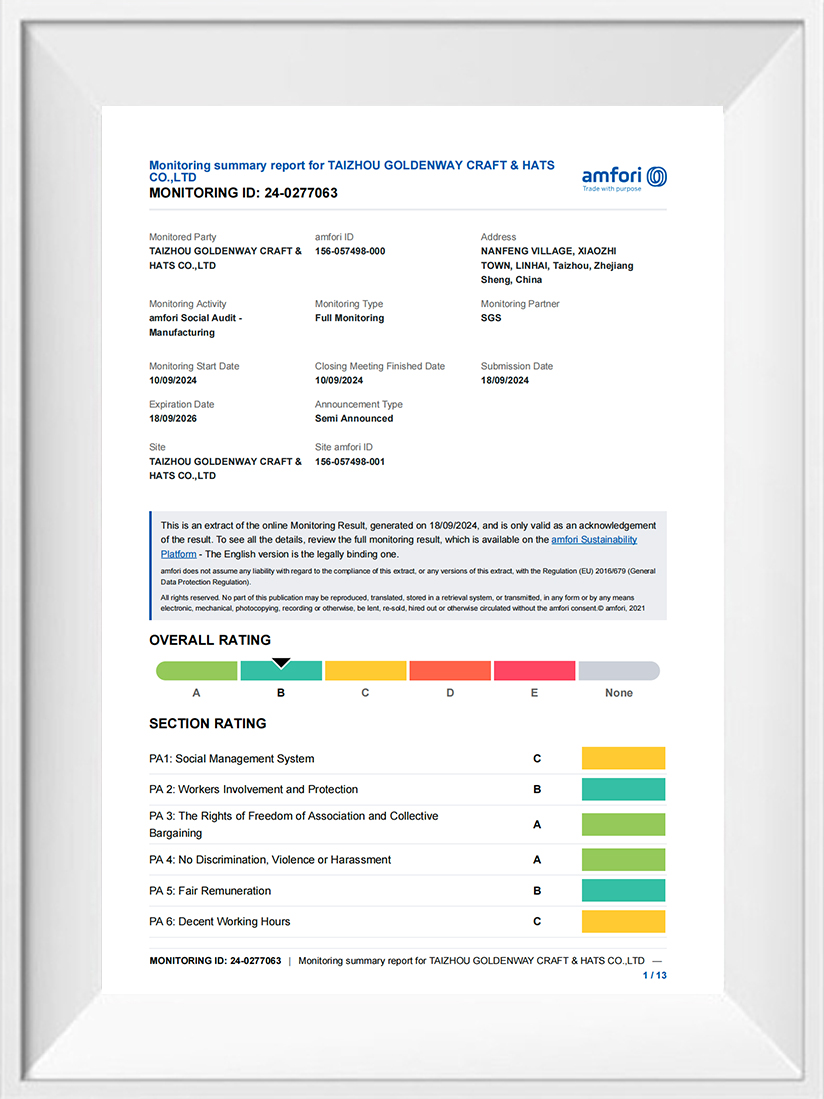
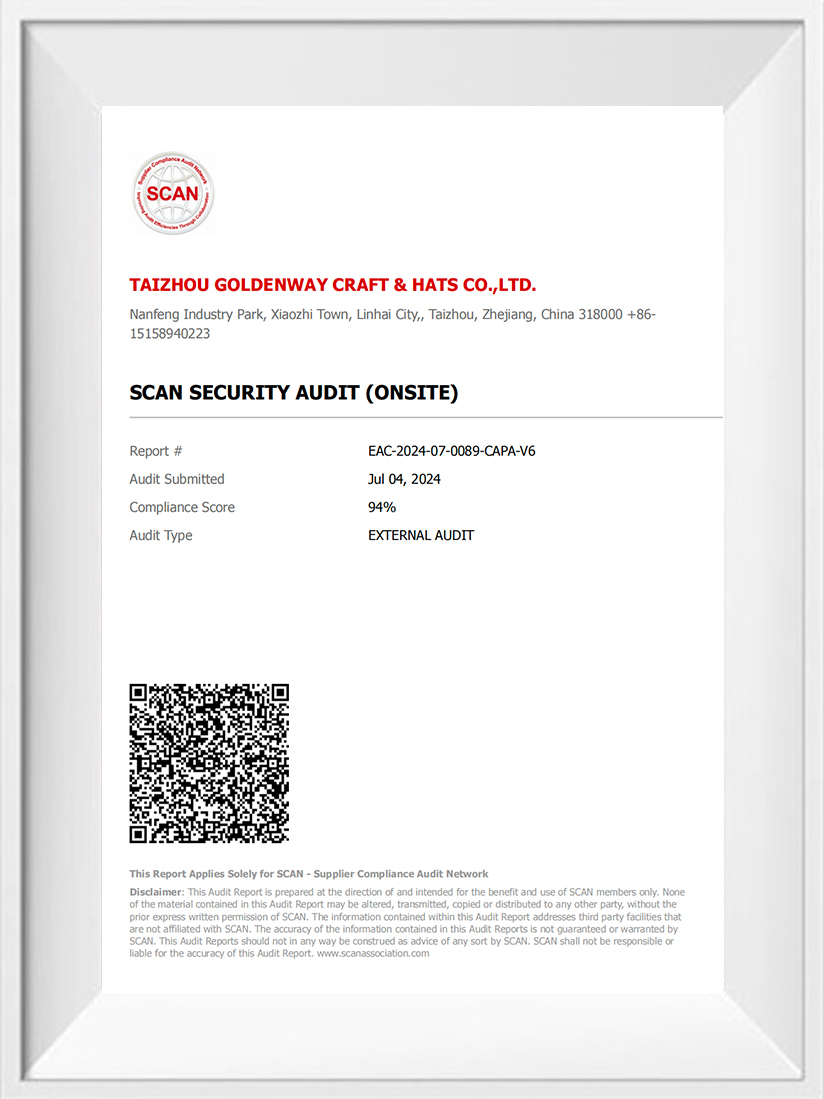
The global hat industry is witnessing a clear shift toward sustainable materials. From Europe to North America and Australia, retailers and brands are increasingly prioritizing eco-friendly products — and straw hats made from natural fibers are leading the trend. According to recent market reports, the sustainable headwear segment is expected to grow at a CAGR of over 7% through 2030. Consumers are actively seeking biodegradable, plastic-free, and ethically sourced hat options. This has pushed many outdoor and fashion brands to rethink their material sourcing strategies. Natural materials such as paper braid, raffia, seagrass, and wheat straw are gaining renewed attention — not only for their low environmental impact but also for their breathability and lightweight comfort in warm climates. For manufacturers like Taizhou Goldenway Craft & Hats Co., Ltd., this trend aligns perfectly with over four decades of expertise in straw and artisan hat production. With BSCI and SEDEX certifications already in place, the company is well-positioned to help global clients transition to greener collections without compromising on style or quality. “We are seeing strong demand from European resort brands and American outdoor labels for hats made from certified sustainable materials,” said a Goldenway spokesperson. “Our traditional weaving techniques, combined with modern quality control, allow us to deliver eco-friendly hats at scale.” As the market continues to evolve, natural fiber hats are no longer seen as a niche product — they are becoming a mainstream choice for retailers aiming to meet both environmental goals and consumer expectations.DISCOVER MORE